Inside the Algorithm: How Roulette Sites Calculate and Distribute Free Spins to UK Players
Written by Ben Keller · Oct 13, 2026
Inside the Algorithm: How Roulette Sites Calculate and Distribute Free Spins to UK Players
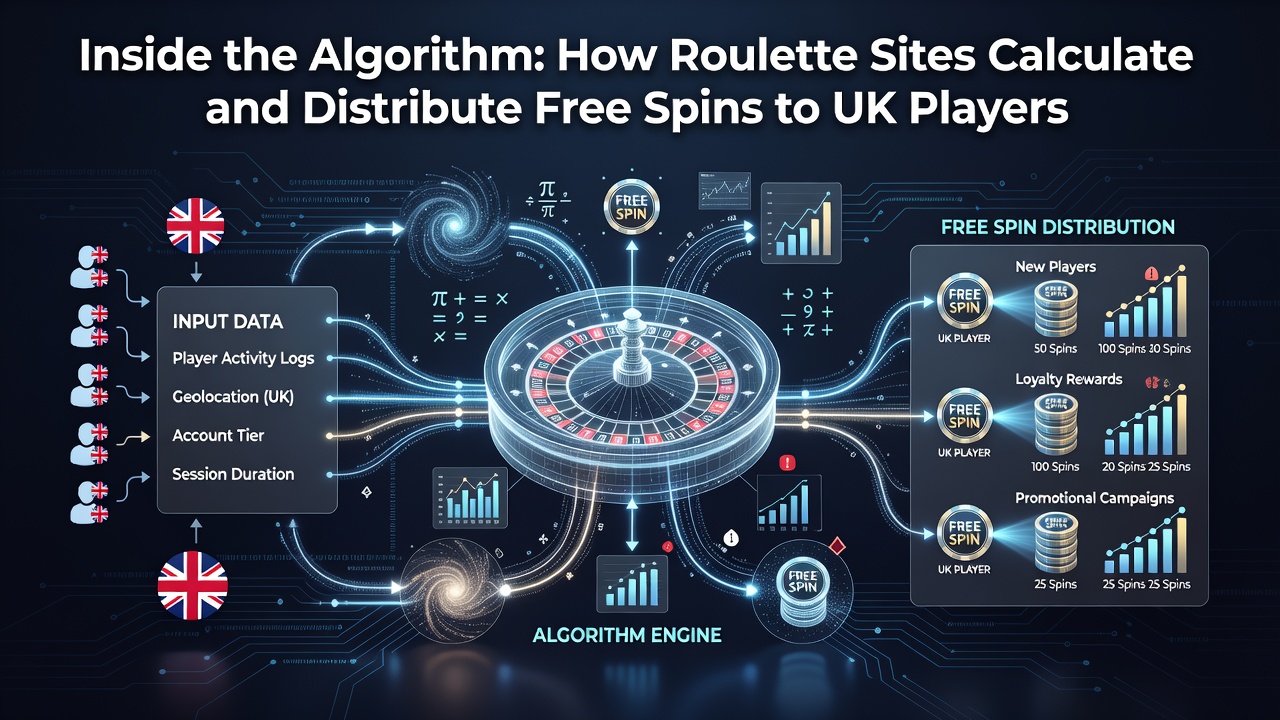
Roulette sites serving UK players rely on complex algorithms to determine when and how many free spins to award, and these systems integrate multiple data points to balance player engagement with operational requirements. The process begins with backend software that tracks user activity in real time, then applies mathematical models to decide eligibility and spin quantities. Observers note that these calculations often draw from deposit history, game selection patterns, and account age, while remaining compliant with broader industry standards set by various international bodies.
Core Data Inputs Driving the Process
Algorithms collect information from several categories before generating any free spin offers, and this includes metrics such as total wagering volume over the previous thirty days, frequency of roulette sessions, and average bet sizes across different wheel variants. Sites process this data through segmentation tools that group players into tiers, allowing the system to apply weighted formulas that prioritize certain behaviors without manual intervention. Research from the National Center for Responsible Gaming indicates that similar profiling techniques appear across multiple jurisdictions, where operators adjust parameters to align with local player demographics and regulatory expectations.
Additional variables enter the equation at regular intervals, including time since the last bonus redemption and participation in specific live dealer tables, which helps the algorithm avoid over-distribution to any single account. Those who have examined these platforms report that the models frequently incorporate random elements drawn from pseudorandom number generators, ensuring that not every eligible player receives identical outcomes on the same day.
Calculation Methods and Weighted Formulas
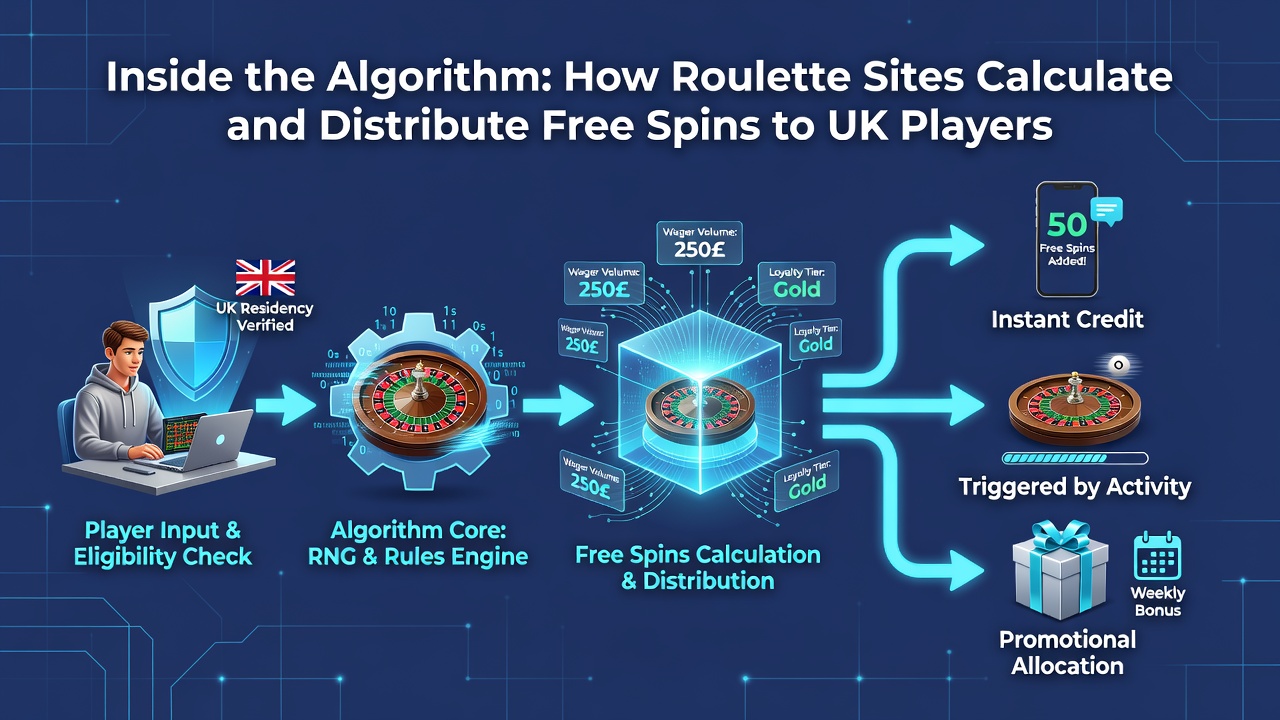
Once data aggregation completes, the core algorithm applies a series of multipliers and thresholds to arrive at a free spin total, and this often involves formulas that factor in a player's return-to-player contribution from prior roulette rounds alongside current promotional budgets. For instance, a user with consistent weekly deposits might trigger a base allocation of twenty spins, after which additional modifiers based on loyalty tier or recent activity increase that figure by set percentages. The calculation runs server-side to prevent tampering, and results feed directly into the player's bonus wallet without requiring code entry in many automated cases.
Distribution timing also follows algorithmic rules, with some platforms releasing spins during peak evening hours in the UK to maximize immediate engagement, while others stagger releases across the week to maintain steady traffic. Data shows that these scheduling decisions correlate with broader usage statistics gathered from similar markets, including those monitored by the Canadian Gaming Association, where timing adjustments have been shown to influence session lengths.
Activation Triggers and Delivery Systems
Free spins reach UK accounts through several channels once the algorithm approves them, and these include automatic crediting after a qualifying deposit, email notifications with unique links, or in-app pop-ups that appear during active sessions. The delivery mechanism itself incorporates verification steps to confirm the account meets all geographic and age requirements before any spins become playable on roulette wheels. Experts have observed that many sites integrate these steps into a single seamless workflow, reducing friction while still logging each transaction for audit purposes.
As of October 2026, several operators have introduced refinements to their delivery protocols that allow spins to carry over across multiple days if unused, a change that stems from updated modeling of player retention patterns. This adjustment appears in response to aggregated data showing higher completion rates when flexibility increases, and it aligns with practices documented in reports from the Australian Gambling Research Centre on bonus usability.
Conclusion
The systems roulette sites employ to calculate and distribute free spins represent a blend of data analytics, random selection, and regulatory alignment that operates continuously in the background. Players encounter the end results through their accounts, yet the underlying processes remain consistent across operators serving the UK market. Continued examination of these methods by independent researchers provides ongoing insight into how such algorithms evolve alongside player behavior and technological capabilities.